
 BACKEND DEVELOPMENT
 MOBILE APP DEVELOPMENT
 ADVANCE ESSENTIAL SERVICES
 ON DEMAND SOLUTION
 EMERGING TECH SOLUTION
 TRENDING TECHNOLOGY
 TRAVEL BOOKING ENGINE
 TRAVEL PORTAL DEVELOPMENT
 FRONTEND
 MOBILE
 Trending Technology
 ABOUT COMPANY
 BACKEND DEVELOPMENT
 MOBILE APP DEVELOPMENT


Customer Service in Travel Industry: Why It’s the #1 Growth Driver in 2026

The travel industry has never been more competitive. Travelers today have hundreds of options at their fingertips, and they make decisions fast. What keeps them coming back to one brand over another? Most of the time, it is not the price. It is the experience they had with your team.
Customer service in travel industry is the biggest differentiator between brands that grow steadily and those that fall behind. A traveler who gets quick, helpful, empathetic support during a stressful moment does not just stay loyal, instead they tell others. And in travel, word of mouth is everything.
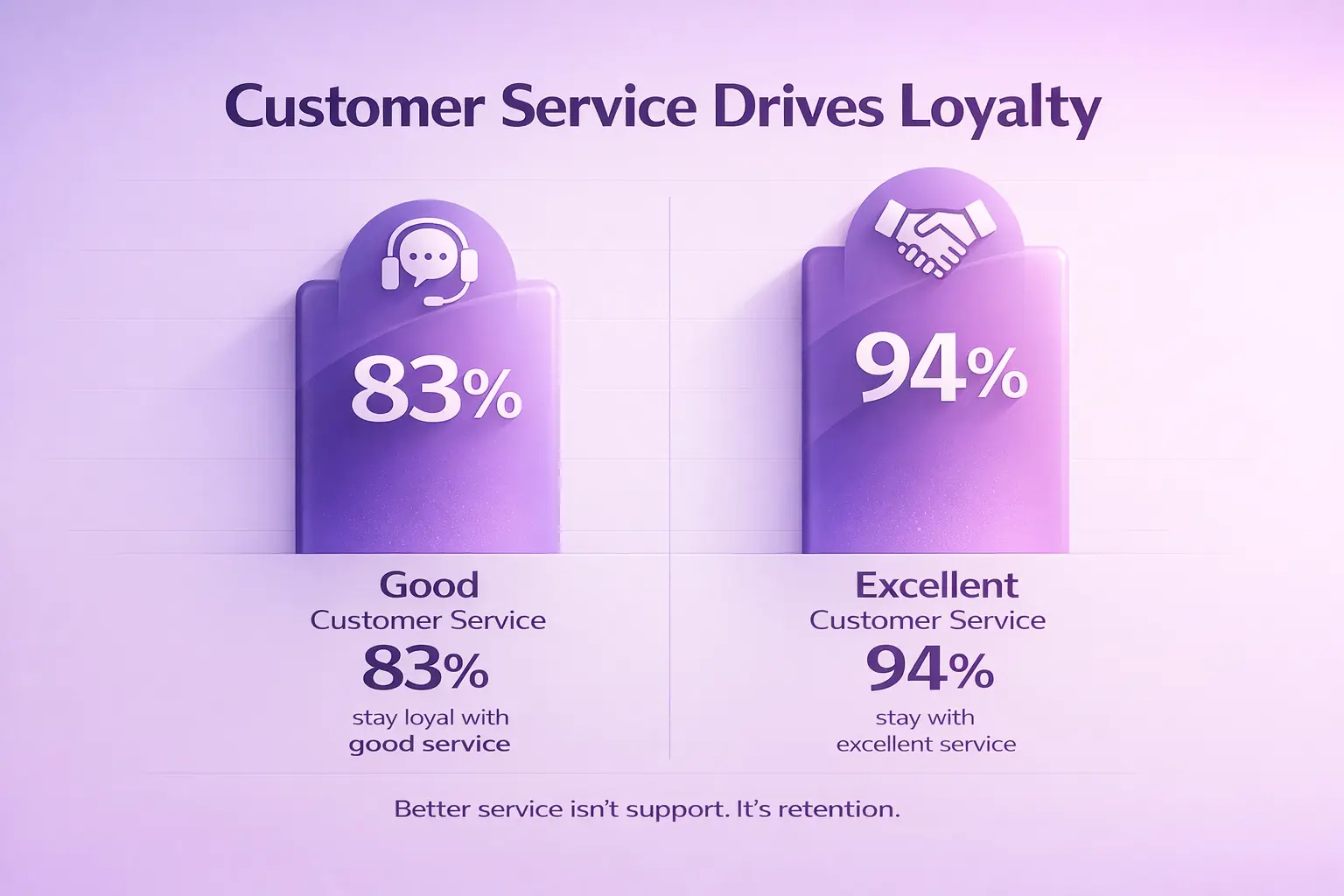
83% of consumers say that good customer service is crucial for them to stay loyal to a brand. And in a 2020 survey on customer loyalty, 94% of people said they would stick with a company that offers excellent customer service. In travel, where stress levels are high and every problem feels urgent, those numbers carry even more weight.
What Is Customer Service in Travel and Tourism?
Customer service in travel and tourism is about helping travelers at every step of their journey, from the moment they start planning a trip to long after they return home. It covers booking support, itinerary changes, flight queries, hotel issues, refund requests, and everything in between.
Put simply, every time a traveler talks to your team, they walk away with a stronger or weaker opinion of your brand. There is no neutral.
Good travel customer support is not just about solving problems. It is about how the traveler feels after the conversation. Did they feel heard? Did someone actually help them? In a market this crowded, that feeling is often what decides whether they book with you again or leave a bad review.
💡 Real Example: A traveler's flight gets delayed by four hours. They message your support team via live chat. Within three minutes, an agent confirms the delay, offers two rebooking options, and sends a meal voucher. That traveler does not just stay with your brand. They write a five-star review and recommend you to three colleagues. That is what great travel customer support looks like in practice.
Why Customer Service in Travel Industry Matters More Than Ever
Today’s traveler does their homework. They compare prices across multiple platforms, read reviews from strangers, and choose a brand based on how good the overall experience looks, not just what the ticket costs. And if something goes wrong, they expect fast, helpful support without having to chase anyone. That is exactly why customer service in travel and tourism has become so important. The bar keeps rising because traveler expectations keep rising.
For Customers
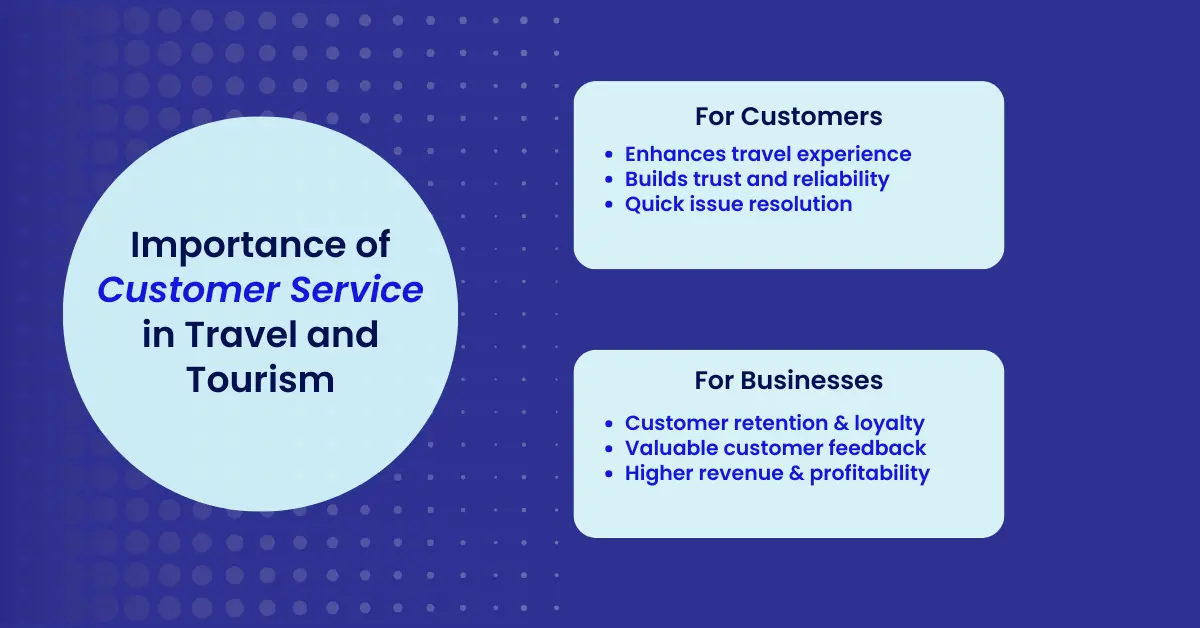
Customer service is one of those things travelers notice instantly when it is missing, even if they cannot always explain what felt wrong. The attitude of your staff, the speed of your response, and the care shown during a difficult moment all shape how a traveler feels about your brand.
That feeling is what drives loyalty. Travel customer service teams that get this right, that treat every traveler as an individual and not a ticket number, build the kind of trust that brings people back again and again.
For Businesses
Your customer service team is your front line. They are the first people a traveler speaks to when something goes wrong, and the last impression your brand leaves when a trip ends. Beyond handling queries, they pass honest feedback back to the business, highlight recurring problems, and help reduce churn before it happens.
The numbers make the business case clear. Keeping an existing customer costs far less than finding a new one. In fact, acquiring a new customer can be anywhere from 5 to 25 times more expensive than retaining one you already have. And a 5% improvement in customer retention can increase profits by 25% to 95%, according to research covered by Harvard Business Review. Every support interaction is not just a service moment. It is a revenue decision.
Customer orientation, putting the traveler’s needs ahead of internal processes, is what turns first-time bookers into loyal customers and loyal customers into brand advocates who refer others.
Key Pillars of Great Travel Customer Support
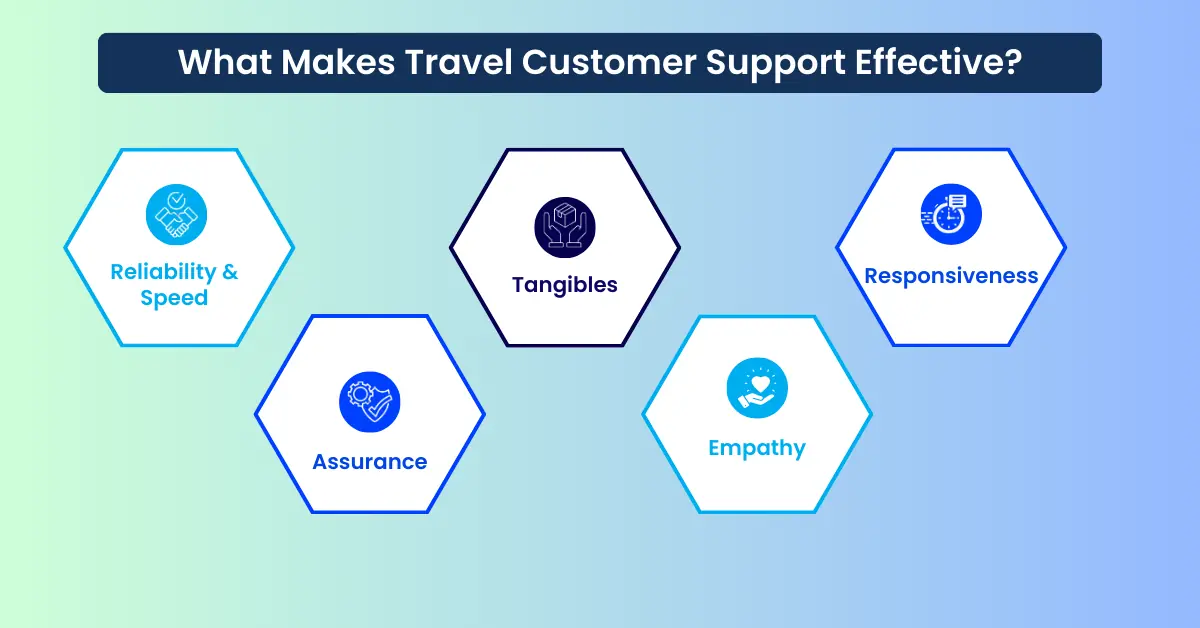
A strong customer service for travel agency team is built on five core pillars. They are the practical standards that determine whether a traveler walks away satisfied or frustrated.
1. Reliability and Speed
Travelers do not forgive slow responses during stressful moments. Whether it is a last-minute cancellation, a missed connection, or a booking error, your travel industry customer service team needs to show up fast and get it right the first time. Reliability means consistent quality across every channel, not just on a good day.
2. Assurance
Travelers put a lot of trust in the brands they book with. Your team needs to project confidence, knowledge, and genuine care. When an agent knows the product, speaks clearly, and handles a situation with professionalism, travelers feel safe. That feeling of assurance is what separates a brand travelers return to from one they avoid.
3. Tangibles
The visible side of service matters more than people think. How easy is your platform to use? How professional are your communications? How clear are your emails and confirmations? All of these details shape how travelers judge your service quality before they even pick up the phone.
4. Empathy
Travel is personal. A missed honeymoon flight or a family holiday that falls apart because of a booking error carries real emotional weight. The best travel customer support teams are trained to acknowledge the human side of every query, not just fix the technical issue. Empathy is what turns a frustrated traveler into a forgiving one.
5. Responsiveness
In travel, minutes matter. A responsive team does not just reply quickly. It anticipates follow-up questions, closes the loop without the traveler needing to chase, and resolves issues end to end. That level of responsiveness is one of the strongest drivers of traveler satisfaction scores.
Omnichannel Communication in Travel Support
1. Unified Channels Improve Consistency
Omnichannel travel support gives travelers a consistent experience whether they contact you by phone, email, live chat, or social media. When a traveler switches from chat to a phone call, they should not have to repeat their whole story. A unified system preserves conversation history so agents can pick up right where the last one left off.
For agencies working with GDS platforms like Amadeus or Sabre, this connected view is especially important. Managing complex multi-leg itineraries across disconnected systems leads to errors and delays that frustrate travelers and damage your reputation.
2. 24/7 Availability Meets Modern Expectations
It is a basic expectation. Travelers do not book during business hours only. They research late at night, compare flight booking options across time zones, panic about a missed connection at 2 AM, and need answers before their flight boards. Brands that are always available signal reliability and earn trust that round-the-clock competitors cannot match.
3. Live Chat Accelerates Issue Resolution
Live chat has become one of the most effective tools for travel customer support teams. It bypasses the ticket queue entirely and connects a traveler with help in real time. Faster resolution means fewer escalations, higher satisfaction scores, and travelers who leave the conversation feeling looked after rather than processed.
4. Social Media Enables Public Support
When your team resolves an issue publicly on social media, it does more than help one traveler. It shows thousands of potential customers that you take complaints seriously and act fast. Every handled complaint on a public platform is a visible trust signal that no paid advertising can replicate.
Evolution of Customer Service in Travel Industry
Travel and tourism is one of the largest industries in the world, contributing 10.9 trillion dollars to the global economy according to WTTC 2024 Economic Impact Research. In a sector this big and this competitive, travel industry customer service is not a small detail. It is one of the most important business decisions you make.
Fifteen years ago, most travelers booked through a single travel agency. Today they compare dozens of OTA platforms, read hundreds of reviews, and choose based on the full brand experience they expect. Customer expectations have shifted completely.
The travel customer service operations that used to rely on multiple disconnected systems have been replaced by modern platforms that give agents everything they need on one screen. Speed is up. Accuracy is up. And the role of the support agent has expanded from ticket handler to brand ambassador.
The best travel customer support teams today are proactive, not reactive. They catch problems before the traveler even notices them. They spot patterns in complaints before they become crises. And they carry the tone and values of the brand in every single interaction. That shift in mindset is what gives great teams a real edge.
How Customer Service in the Travel Industry Builds Repeat Travel Business?
Builds Trust Through Consistent Omnichannel Support
Travelers who get reliable help across every channel are far more likely to book again. A solid travel support omnichannel strategy removes friction and creates experiences that feel effortless. That ease is what brings people back.
Improves Satisfaction Using Technology-Driven Service
Brands that use AI and automation in their travel customer service workflows cut wait times and speed up resolution. Combined with well-designed travel portal development, travelers get a smooth experience from the first click to the last day of their trip.
Strengthens Loyalty Through Personalisation
A CRM-powered travel customer support team can track preferences and personalise every interaction. Travelers who feel recognised, not just processed, come back and refer others.
Reduces Frustration by Solving Common Service Gaps
Brands that proactively fix travel customer support challenges before they repeat build a reputation that advertising cannot buy.
Directly Increases Revenue and Brand Reputation
Happy travelers leave strong reviews. Strong reviews bring new bookings. Referred customers arrive already trusting you. The commercial impact of great travel customer service builds quietly and compounds fast.
Role of Technology in Travel Customer Support
1. AI Enables Predictive Customer Assistance
AI in travel customer service works by analysing past booking data and traveler behaviour to predict what someone needs before they ask. That means faster responses, fewer escalations, and support that feels more helpful and less robotic. The best teams use AI to handle the predictable so humans can focus on the personal.
2. Chatbots Provide Instant 24/7 Support
For routine queries like booking confirmations, cancellation policies, and baggage allowances, chatbots provide instant answers without putting pressure on your agent team. This keeps response times low during peak periods and ensures travelers always get a reply, even at 3 AM.
3. Centralised CRM Improves Personalisation
A centralised CRM pulls together all traveler history, preferences, and booking data into one place. When this is connected to GDS platforms like Amadeus customer support systems or Sabre, agents get a full 360-degree view of every traveler. Tools like Salesforce, Freshdesk, and Zendesk make this kind of joined-up support possible at scale.
4. Automation Accelerates Ticket Resolution
Automated routing, smart prioritisation, and escalation workflows mean the right query reaches the right agent at the right time. Travel support automation cuts resolution time, reduces backlogs, and frees agents to give proper attention to the cases that actually need a human touch.
5. Voice Search and Conversational AI Shape New Expectations
A growing number of travelers now use voice assistants and conversational AI to research and manage their trips. Travel brands that build voice-ready support into their customer service strategy will reach this audience where they already are, and they will benefit from better visibility in voice search results at the same time.
Common Travel Assistance Challenges and How to Solve Them
| Challenge | Impact on Traveler | Solution |
| Seasonal demand spikes | Long waits, lost bookings | Scalable staffing with automation |
| Delayed refunds or trip disruptions | Broken trust, negative reviews | Fast escalation and unified systems |
| Fragmented support tools | Repeated info, slow resolution | Integrated CRM with GDS connection |
| Inconsistent cross-channel communication | Confused and frustrated travelers | Omnichannel support strategy |
| Ignoring customer feedback | Problems repeat, churn rises | Structured feedback loops and CXM tools |
1. Seasonal Demand Overwhelms Support Teams
Peak travel seasons put enormous pressure on support teams. Combining scalable outsourced staffing with travel support automation is the most effective way to maintain service quality through busy periods without burning out your team or making travelers wait.
2. Delays Damage Traveler Confidence
Delayed refunds and trip disruptions are among the most complained-about issues in travel. Fast escalation procedures and consolidated systems mean these situations get resolved before they turn into one-star reviews and social media complaints.
3. Fragmented Systems Slow Resolution
When your support team works across disconnected platforms, response times suffer and mistakes happen. Integrated software that connects your CRM with your GDS removes the bottlenecks that frustrate agents and travelers alike.
4. Communication Gaps Frustrate Travelers
Travelers who get different answers on different channels quickly lose faith in a brand. A clear travel support omnichannel strategy ensures every agent, on every channel, is working from the same information and giving the same quality of service.
5. Ignoring Feedback Limits Improvement
Traveler feedback is one of the most valuable data sources a travel brand has. Organisations that build structured feedback loops into their operations can spot recurring problems early, fix them systematically, and stop the same issues from damaging traveler satisfaction over and over.
Travel Customer Experience Trends 2026
1. AI-Powered Hyper-Personalised Service
AI-powered travel customer assistance is moving from reactive to predictive. Instead of waiting for a traveler to raise an issue, AI tools analyse historical data to anticipate what a traveler needs next and surface relevant support before the question is even asked. Brands that invest in this now will set the benchmark others are measured against.
2. Automation and Human Hybrid Support Models
Automation handles the routine. Humans handle the complex. This hybrid model is fast becoming the standard travel helpdesk best practice because it balances cost efficiency with the kind of empathetic, nuanced support that no chatbot can fully replicate. Getting the balance right is what separates good service from great service.
3. True Omnichannel Customer Journeys
In 2026, travelers expect to move between phone, chat, email, and social media without losing context or having to repeat themselves. A fully built travel support omnichannel system makes this possible. Brands that cannot deliver a seamless channel experience will lose customers to those that can.
4. Data-Driven Customer Experience Management
Gut feel is being replaced by data. Travel CXM in 2026 relies on sentiment analysis, CSAT tracking, and service metrics to continuously optimise every touchpoint. Brands that build this measurement discipline into their operations will keep getting better while competitors guess.
5. 24/7 Instant Global Assistance
Cloud-based travel service desk platforms now make round-the-clock global support accessible even for mid-sized travel agencies. The demand for instant responses across time zones is only going to grow, and brands that build this capability now will have a significant head start.
6. Sustainability-Aware Customer Service
This is a trend that many travel brands are still underestimating. Millennial and Gen Z travelers actively look for brands that share their values, including environmental responsibility. In 2026, travel customer support teams that can speak knowledgeably about sustainable travel options, carbon offset programs, and eco-friendly alternatives will build stronger emotional connections with this growing customer segment.
OneClick IT: Travel Customer Service Solutions
At OneClick IT Consultancy, we provide end-to-end travel customer support solutions built for travel agencies, OTAs, and hospitality brands of all sizes. Our team has deep hands-on experience in GDS platforms, airline ticketing, hotel reservations, and multi-channel traveler communication.
Our services include:
- 24/7 Travel Customer Support across voice, email, and live chat
- Amadeus and Sabre GDS Support for agencies and OTAs
- Omnichannel Support Setup and Management for consistent traveler experience
- CRM Integration for travel agencies and hospitality brands
- Hire Travel Customer Service Executive options, dedicated or shared agents
Whether you run a growing OTA, an independent travel agency, or a large hospitality operation, our travel customer service solutions are built to scale with you. We give you the expertise, coverage, and technology to deliver an outstanding traveler experience at every touchpoint.
Customer Service Is the Backbone of Travel Growth
In 2026, customer service in the travel industry is not a support department. It is a growth strategy. Every traveler interaction is a chance to build trust, earn a repeat booking, and create someone who recommends your brand to others.
The brands that will win are the ones investing in omnichannel systems, using AI and automation to remove friction, and putting empathetic, trained people at the front of every complex interaction. With a 5% improvement in retention capable of boosting profits by 95%, the return on great customer service in travel and tourism is one of the clearest commercial cases in the industry.
Looking to improve your travel customer support? OneClick IT specialises in exactly this. We have helped travel brands of all sizes build the kind of service experience that keeps travelers coming back. Get in touch with our team and see how we can help.
FAQs
Customer service in travel and tourism is the support provided to travelers at every stage of their journey, from booking and check-in to complaints and refunds. It covers phone, email, live chat, and social media. Good travel customer support directly impacts loyalty, reviews, and repeat bookings.
Because travelers have too many options to tolerate bad service. One poor experience leads to a lost customer, a negative review, and lost referrals. One great experience does the opposite. It is that simple.
The five key elements are reliability, assurance, empathy, responsiveness, and consistency across all channels. Together they determine whether a traveler comes back or goes elsewhere.
Omnichannel travel support connects all customer communication channels, phone, email, live chat, and social media, into one system. Travelers can switch channels without repeating themselves, and agents always have the full conversation history in front of them.
AI handles routine queries instantly, predicts traveler needs based on booking history, and flags complex issues to human agents. The result is shorter wait times, faster resolution, and a support team that focuses its energy where it actually matters.
GDS stands for Global Distribution System. It is the platform travel agents use to book flights, hotels, and other services. Amadeus and Sabre are the two most widely used GDS platforms. Agents trained on GDS can handle complex bookings, reissues, refunds, and itinerary changes far faster than those who are not.
Start with response time, then consistency across channels, then personalisation. Train your team on the booking tools they use daily. Focus on building a travel customer experience that feels personal at every touchpoint. If volume is a challenge, consider travel customer support outsourcing to scale without hiring overhead.