
 AI & ML
 MOBILE APP DEVELOPMENT
 AI-Powered Solutions
 Business App Solutions
 TRAVEL BOOKING ENGINE
 TRAVEL PORTAL DEVELOPMENT
 FRONTEND
 MOBILE
 Trending Technology
 ABOUT COMPANY
 AI & ML
 MOBILE APP DEVELOPMENT


How to Choose the Right Mobile App Development Company?

One of the most important decisions a business makes before launching a digital product is choosing the right mobile app development company. It can be challenging because many agencies offer similar services. If you choose the right one, not only would you get specialists, but also a company that fully comprehends your business objectives, target customers, and future scalability needs. There can be many considerations like checking portfolios and industry experience, communication, development process, and post-launch support, which are all very important in selecting the right one. This guide will give you a rundown of the most significant aspects along with the practical steps to picking a mobile app development company that can give you quality work, work efficiently and bring in business through measurable results.
Types of Mobile App Development
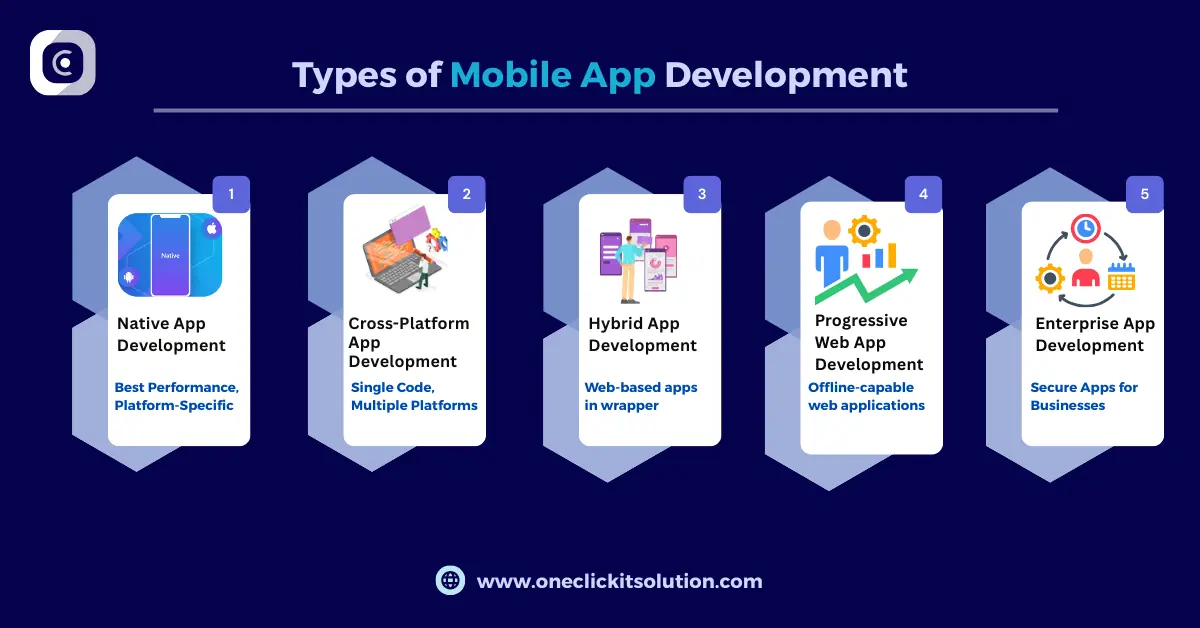
Mobile app development covers different methods, and each is appropriate for different business objectives, budgets, and performance requirements. Knowing these various types allows a company to pick the development method that would best work for the successful launch of their application.
1. Native App Development
Native app development is the procedure of creating apps that run on a single platform, for example, iOS or Android, and development is done using platform-specific languages i.e. Swift or Kotlin. Such apps are high-performance, offer better user experience, and also have the benefit of utilizing device features fully. Hence, they are suitable for creating complicated and high-performance apps that require smooth operation.
2. Cross-Platform App Development
Cross-platform development is a technique that allows an app to operate on different operating systems using the same codebase, and most often, developers do this through the use of frameworks such as Flutter or React Native. It is a method that helps in lowering the time taken for the development process, as well as the cost, and it does not compromise the performance of the application.
3. Hybrid App Development
Hybrid apps combine web technologies like HTML, CSS, and JavaScript with a native container. When it comes to native vs hybrid app development it is vital to know that hybrid functions across multiple platforms while being easier and faster to develop compared to native apps. Hybrid development is ideal for simple applications, MVPs, or businesses seeking cost-effective solutions with moderate performance requirements.
4. Progressive Web App (PWA) Development
Progressive web apps are web-based software programs that give users an experience similar to a native app with such functionalities as offline mode, push notifications, and near-instant loading speed, thanks to browser support. PWAs do not require users to install them from an app store, thus are very cost-effective and easy to access but still can give a mobile-friendly user experience across all the platforms.
5. Enterprise App Development
Enterprise app development is all about the creation of secure, scalable applications intended mostly for business internal operations use, staff management, or workflow automation. These apps are typically designed to be integrated with other corporate systems such as CRM or ERP software. As a result, productivity, efficiency, and collaboration between different departments of a company are greatly enhanced.
Mobile App Development Process
The process of developing a mobile app goes through a well-structured sequence of steps starting from the initial idea validation to the final deployment. Every step makes sure that the app is not only functional but also user-friendly and scalable, thus allowing businesses to reach their objectives efficiently.
1. Idea Validation and Research
The initial step of the mobile app development process is idea validation, which is basically making sure that there is a market demand and the idea is feasible. You carry out competitor analysis, define your target audience, set your business goals, and decide on the platform. Research done properly reduces risks and lays a solid foundation.
2. Planning and Strategy
The next step after the idea gets validated is drafting a development plan in detail. You define features, decide on app architecture, choose the technology stack, estimate the budget, and set a project timeline. A well-thought-out roadmap is the key to a flawless execution, less confusion, and everyone being on the same page with development goals.
3. UI/UX Design
Excellent design draws users in and keeps them there. Design professionals work on wireframes, prototypes, and user interface layouts that emphasize ease of use, accessibility, and attractiveness. Simple navigation improves user experience, leading to higher customer satisfaction and better business outcomes.
4. App Development
Mobile app development companies at this point stage focus on frontend and backend coding of an app. It means, along with, coordinating APIs, core functionalities, database creation, and ensuring that the app operates flawlessly on various devices and platforms. Most development is carried out in phases or sprints which give the team the freedom to keep their work flexible and make continuous improvements.
5. Testing and Quality Assurance
Prior to the launch, the application goes through numerous tests to ensure all bugs are fixed, the app is secure, and the performance is excellent. Besides, it also comprises functional testing, usability testing, compatibility testing, and performance testing. Quality assurance ensures the app runs smoothly and is able to deliver a good user experience across different devices.
6. Deployment and Maintenance
Finally, the app is released on platforms like the Google Play Store or the Apple App Store. To ensure the app stays current, runs well, and attracts users, it is essential to keep a close watch on it, fix bugs, and regularly add new features.
Mobile App Development Cost Breakdown
The mobile app development cost is very different and it mainly depends on the level of difficulty, the features, the development approach, etc. Figuring out these cost drivers allows the business to set the right budget and also prevent unexpected costs during the development process.
1. App Complexity and Features
The greater the number of features, the higher the development costs. An app with very basic features will be cost-effective, but if it requires features like live tracking, AI integration, payment gateways, or custom animations, it will definitely be more expensive, as it demands more time, expertise, and resources.
2. Platform Selection (iOS, Android, or Both)
The choice of platform apps to be built on iOS, Android, or both is one of the factors that impact the overall budget. If you develop native apps for multiple platforms, separate development efforts are required, which increases costs. Conversely, cross-platform solutions can help you save money because only one codebase is necessary.
3. UI/UX Design Requirements
The use of standard templates keeps the production costs down, while custom designs, animations, and interactive user interfaces increase the costs. A great, high-quality design is what makes a user want to engage more with the product; however, it also requires skilled designers, the use of prototyping tools, and additional time for the development, thus increasing the overall costs.
4. Development Team Location and Expertise
The choice of a mobile application development services provider from different locations can significantly impact the cost. Usually, agencies in North America or Europe will charge higher rates than companies in Asia. In addition, a highly skilled team with a specific set of skills may be more costly but they will deliver better quality and higher efficiency.
5. Backend Infrastructure and Integrations
If you are developing an app that requires cloud infrastructure, databases, APIs, or integration of third party services such as payment systems, GPS, or social media login, you need to consider both the increased complexity of development and the greater financial resources required. Developing a backend architecture, which is scalable, will also increase the amount of long term investment; however, it will lead to better performance and reliability.
6. Maintenance and Post Launch Support
On top of launch, the development of an app is a perpetual process. Apart from updates, bug fixes, server costs, etc., regular maintenance is essential for a long, lasting success. It is a good idea for organizations to reserve some money for ongoing support so that the app can be kept safe and competitive in the market.
UI/UX Best Practices for Mobile Apps
Developing a captivating mobile app involves more than just UI/UX design. It should mainly be focused on usability, performance, and user satisfaction. If you are following the right steps, then you will be able to improve navigation, retention, accessibility, and overall user experience, therefore your business will be successful in the long run.
1. Keep the Design Simple and Intuitive
Minimal and clean design simplifies the user’s interaction with the app and enhances their understanding. Do not overcrowd the app, select well-recognizable icons, and keep your navigation logic intact to enhance the usability and user satisfaction.
2. Focus on Consistent Design Elements
A familiar experience is what consistency in colors, typography, buttons, and layouts will bring to the users. A single design language not only makes it easier for users to find their way but also strengthens the brand identity throughout the application.
3. Prioritize Mobile-Friendly Navigation
Navigate with your thumb, use bottom menus, and have visually but also conceptually clear call to action buttons for better accessibility. The users of a mobile device are those who want the most straightforward interactions, thus when you cut the number of steps, you’ll get more engagement and retention.
4. Optimize App Performance and Speed
Loading speed is the primary reason behind user retention. Optimize images, minimize the use of animations, and have smooth transitions that together will create no frustration and thus improve the overall user experience.
5. Use Clear Visual Hierarchy
Well-arranged spacing and font sizes, as well as the right color contrast, will make it the easiest way for users to see the most important elements. So, point out the primary actions and information and users will know instantly what to do next without being puzzled.
6. Ensure Accessibility for All Users
Design apps that are accessible to people with disabilities by using readable fonts, sufficient contrast, voice support, and scalable text. Inclusive design not only increases your customer base but also makes the product better for everyone.
7. Provide Immediate Feedback
Interactive elements should give users immediate confirmation of their actions through animations, progress bars, or confirmation messages. Giving users feedback that their operations have been successful is one of the most effective ways to improve user satisfaction and engagement.
8. Minimize User Input Effort
Lower the amount of typing by enabling the use of auto-fill, dropdowns, and smart suggestions. User convenience is increased through short forms and simple data entry which also leads to a reduction in customer turnover during onboarding or transactions.
9. Test with Real Users
Usability testing identifies the flaws of a product before it is launched. Feedback from real users is an invaluable source of information for the changes in design, functionalities, and overall experience which guarantees the app to be up to the user’s expectations.
10. Maintain Continuous Improvements
UI/UX should change according to analytics, user feedback, and trends. The app stays up to date, at the same level as its competitors, and meets the users’ demands when it is regularly upgraded and refined.
Key Features Every Business App Should Have
A successful enterprise mobile app development needs to have certain indispensable features that will satisfy the user’s experience, protect privacy, and work well. Changing the mix of features can increase user engagement, accelerate business operations, and serve as a model for sustainable business growth and scalability.
1. User-Friendly Interface
A user interface that is uncomplicated, and easy to understand will allow users to navigate through the app with no trouble or confusion. Besides providing customers with a better experience, clear layouts, reasonable flows, and little time needed for learning will significantly improve user commitment and retention.
2. Secure Login and Authentication
Protecting user data with strong authentication mechanisms such as OTP, biometric login, or social sign-in has always been the best practice. Security not only safeguards the internal information, but it also earns customer trust and is a great deterrent against unauthorized access, which is very necessary for business credibility and compliance.
3. Push Notifications
Push notifications are used by businesses to communicate with users in real time and to share updates, offers, reminders, and alerts with users. If you use them smartly, they can help you to keep customers by your side, increase the sales you make, and make users open your app more regularly.
4. Personalization
Personalized content based on user behavior, preferences, and history not only improves customer experience but also helps users feel more connected with the app at a deeper level. It also app, to, user alignment, increases user engagement, and customer loyalty and satisfaction.
5. Search Functionality
Capable search features with filter options and sorting methods are what make users able to locate services/products or info instantaneously. A good search function can greatly increase usability and at the same time reduce the user’s feelings of frustration, thereby giving the user a more pleasant experience.
6. Payment Integration
Secure payment gateways facilitate transactions inside the application without any hiccups. Giving users multiple payment methods such as card, wallets, and UPI helps users feel more at ease and trustworthy, consequently leading to a better experience overall.
7. Real-Time Analytics
Analytics tools allow companies to measure how users interact with the app, what kind of engagement is achieved, and what are the performance metrics. The insights gained from the analysis enable businesses to make better decisions, plan features smartly, and bring up the overall functionality of the app.
8. Customer Support Integration
In app chat, help centers, or support ticket systems can get the users the answers they need right away. Prompt and effective customer service leads to higher customer satisfaction levels, trust maintenance, and a positive impact on the brand image.
9. Offline Functionality
Offline access gives users the opportunity to keep some features functional without an online connection. It makes the app more attractive to users by solving the issue of poor network coverage and thus guarantees the same level of user experience at all times.
10. Social Media Integration
Social media connectivity thus making sharing, login, and engagement through social media very easy. It also helps to increase brand visibility, user interaction, and ultimately the marketing efforts of the brand.
11. Scalability
Scalable app architecture allows your app to smoothly accommodate more users and data without compromising on the performance. Thus, scalability not only facilitates your immediate requirement needs but also supports your business growth for the long haul and thus saves you from the costly redevelopment.
12. Data Security and Encryption
Strong encryption helps in safeguarding highly sensitive user and business data from cyber attacks. Security compliance not only helps in gaining the trust of users but also ensures that the app conducts safe transactions and communications.
13. Multi-Platform Compatibility
Still, it remains a must to ensure the use of multiple device types, screen sizes, and different OSs to provide a consistent experience for all users. Which is why an excellent cross- platform app development strategy is used to increase users and improve your business accessibility.
14. Feedback and Review System
Customer feedback system allows a company to gain insight into the ever changing needs of customers, enhancing quality and resolving issues at the earliest. Moreover, user reviews serve as a valuable source of credibility and trust for the potential customers.
15. Regular Updates and Maintenance
These days apps need frequent updates with new features, bug fixes, and performance improvements to keep up with the latest trends. Constant maintenance is what ensures the app is always secured and reliable for the users over a period of time.
Conclusion
Choosing a mobile app development company is a very vital and strategic decision that can have a direct impact on your app success, user experience, and ROI. By carefully assessing skills, portfolio, communication, development process, and post launch support, companies can essentially lower the risks and ensure smooth work flow. The perfect partner is going to be the one who not only builds a mobile app for you but also shares their valuable insights in order to keep your business growing for years to come. So, in order to find a development team which will be exactly in line with your expectations, it is definitely worth your time to research and compare different options.
FAQs
How Much Does It Cost To Build A Mobile App?
Mobile app development costs will be influenced largely by the complexity, features, platforms, and location of the developers. Naturally, simple single-function app development will be cost-effective, while those that include custom integrations, scalability, and numerous other unique features will require a substantially higher investment.
What Is Better: Native Or Hybrid App Development?
One more significant difference between native and hybrid apps is their respective costs and development time. Naturally, native app development is more expensive and takes more time since separate versions need to be built for iOS and Android. This disadvantage should be weighed against the fact that such apps will perform significantly better and be more secure and user- friendly.
How Long Does Mobile App Development Take?
The time frame for development depends on the complexity of the product, features, and platform requirements. A basic app may be developed in a couple of months, whereas complex apps with advanced functions can take six months or longer.
What Technologies Are Used In Mobile App Development?
Mobile app development relies on technologies like Swift, Kotlin, Flutter, React Native, Java, and also backend tools like Node.js or Firebase. The choice of technology stack depends on the app’s requirements, scalability, and platform selection.