 BACKEND DEVELOPMENT
 MOBILE APP DEVELOPMENT
 ADVANCE ESSENTIAL SERVICES
 ON DEMAND SOLUTION
 EMERGING TECH SOLUTION
 TRENDING TECHNOLOGY
 TRAVEL BOOKING ENGINE
 TRAVEL PORTAL DEVELOPMENT
 FRONTEND
 MOBILE
 Trending Technology
 ABOUT COMPANY
 BACKEND DEVELOPMENT
 MOBILE APP DEVELOPMENT


Data Science vs Data Analytics: What’s the Real Difference in 2026?
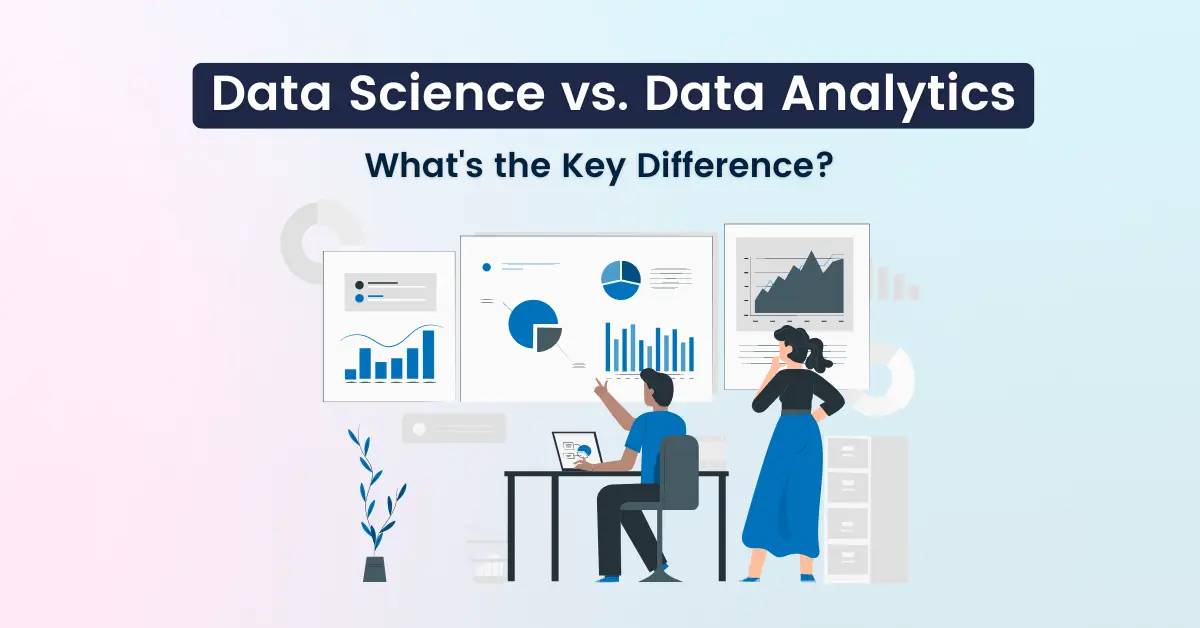
Data has quietly become one of the most valuable business decisions. Companies no longer rely on guesswork — they rely on numbers, trends, and customer behavior insights to make decisions. Because of this shift, careers in data science and data analytics have grown rapidly over the past few years
At first glance, these two fields may sound identical. Many job descriptions even use the terms interchangeably. But in reality, they are not the same.
So what is the difference between data science and data analytics?
Are they the same? Is a data scientist different from a data analyst? Which career offers better growth and salary?
If you’re comparing data scientist vs data analyst roles, planning to start a career in data science, or simply trying to understand which field has better long-term growth, knowing thisIf you’re comparing data scientist vs data analyst roles, planning to start a career in data science, or simply trying to understand which field has better long-term growth, knowing this distinction matters.
In this guide, we’ll walk through both areas in practical terms — how they differ, what skills are required, salary expectations, tools used in the industry, and what the future scope of data science and data analytics looks like in 2026.
- Planning a career in data science
- Exploring a data analytics career
- Learning skills required for data science
- Comparing data scientist vs data analyst roles
- Evaluating the future scope of data science in 2026
In this guide, we will break down both fields in simple terms, compare their skills, tools, salary trends, real-world use cases, and explain which path might be right for you.
What Is Data Science?
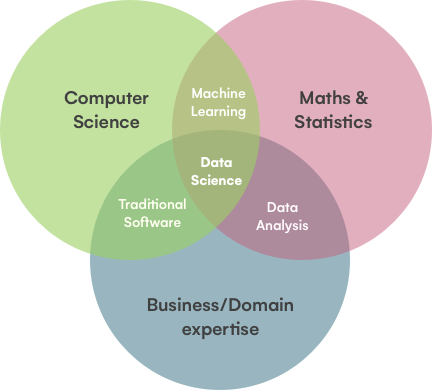
Data science is a multidisciplinary field that combines statistics, programming, machine learning, and domain knowledge to extract meaningful insights from structured and unstructured data.
It focuses not just on analyzing past data but also on predicting future outcomes.
Core Components of Data Science
- Data collection and cleaning
- Exploratory data analysis
- Machine learning models
- Predictive analytics
- Artificial intelligence integration
- Big data processing
- Data visualization
Data scientists build algorithms that help businesses forecast demand, detect fraud, recommend products, and automate decisions.
Common Use Cases of Data Science
- Predicting customer churn
- Fraud detection in banking
- Recommendation engines (like Netflix or Amazon)
- Demand forecasting in retail
- AI-powered chatbots
- Healthcare disease prediction models
Data science is deeply connected to machine learning, artificial intelligence, and big data technologies.
What Is Data Analytics?
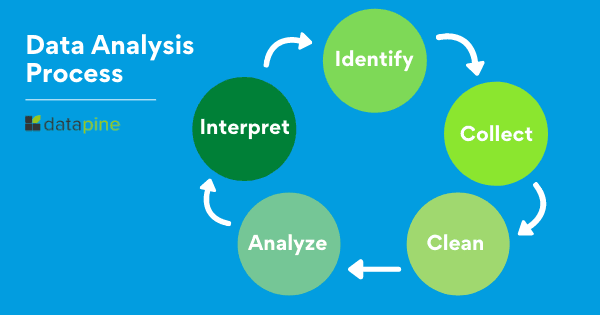
Data analytics focuses on examining historical data to uncover trends, patterns, and actionable insights that support decision-making.
It answers questions like:
- What happened?
- Why did it happen?
- What should we improve?
Unlike data science, data analytics does not always involve advanced machine learning models.
Types of Data Analytics
- Descriptive Analytics – What happened?
- Diagnostic Analytics – Why did it happen?
- Predictive Analytics – What may happen next?
- Prescriptive Analytics – What should we do?
Common Use Cases of Data Analytics
- Sales performance reports
- Website traffic analysis
- Customer segmentation
- Marketing campaign performance tracking
- Business intelligence dashboards
Data analytics plays a crucial role in business intelligence and operational efficiency.

Is Data Analytics a Part of Data Science?
Yes — in many organizations, data analytics is considered a subset of data science.
Think of it this way:
- Data analytics focuses on analyzing and interpreting data.
- Data science goes further by building predictive models and automation systems.
Many professionals start as data analysts and later transition into data science roles after learning machine learning and advanced programming.
Data Science vs Data Analytics: Key Differences
| Feature | Data Science | Data Analytics |
| Primary Goal | Build predictive models & AI systems | Analyze historical data |
| Focus | Future forecasting | Present & past insights |
| Machine Learning | Core component | Limited use |
| Programming | Advanced (Python, R) | Moderate (SQL, Excel) |
| Data Type | Structured & unstructured | Mostly structured |
| Business Impact | Strategic innovation | Operational improvement |
| Tools | TensorFlow, Spark, Python | SQL, Tableau, Power BI |
| Career Path | Data Scientist, ML Engineer | Data Analyst, BI Analyst |
Read More: What is Data Analytics? A Complete Guide
Skills Required for Data Science
To become a data scientist, you typically need:
- Python or R programming
- Machine learning algorithms
- Statistics and probability
- Data preprocessing
- Big data tools (Spark, Hadoop)
- SQL
- Data visualization
- Cloud platforms (AWS, Azure, GCP)
Strong mathematical thinking and coding skills are essential.
Skills Required for Data Analytics
To become a data analyst, you need:
- SQL
- Excel
- Data visualization tools (Power BI, Tableau)
- Basic statistics
- Dashboard creation
- Reporting and storytelling
- Business understanding
Coding is helpful but not always mandatory at advanced levels.
Tools Used in Data Science vs Data Analytics
Data Science Tools
- Python
- R
- TensorFlow
- PyTorch
- Jupyter Notebook
- Apache Spark
- Hadoop
- Snowflake
- BigQuery
Data Analytics Tools
- SQL
- Excel
- Power BI
- Tableau
- Looker
- Google Analytics
- Qlik
Knowing the right tools increases job opportunities significantly.
Salary Comparison: Data Scientist vs Data Analyst
While salaries vary by region and experience, generally:
- Data Scientists earn higher salaries due to advanced skill requirements.
- Data Analysts earn competitive salaries, especially in business intelligence roles.
Entry-level analysts can transition into higher-paying data science roles by upskilling in machine learning and AI.
Career Path: Which One Should You Choose?
Choose Data Analytics if:
- You enjoy interpreting data and building dashboards.
- You prefer business insights over algorithm building.
- You want a quicker entry into the data field.
Choose Data Science if:
- You enjoy coding and mathematics.
- You want to build predictive models.
- You are interested in AI and machine learning.
- You aim for long-term technical growth.
Both fields offer strong career growth and demand globally.
Latest Trends in Data Science and Data Analytics (2026)
The data industry is evolving rapidly. Here are key trends shaping both fields:
- AI-powered analytics platforms
- Generative AI integration
- Real-time data processing
- Cloud-native data infrastructure
- Automated machine learning (AutoML)
- MLOps adoption
- Edge analytics
- Data privacy and governance regulations
- No-code and low-code analytics tools
Businesses are increasingly investing in data-driven decision-making, making both fields highly relevant.
Future Scope of Data Science and Data Analytics
The demand for data professionals continues to grow due to:
- Digital transformation initiatives
- E-commerce expansion
- Fintech growth
- AI adoption across industries
- Big data explosion
Data science will continue driving AI innovation, while data analytics will remain essential for business intelligence and operational optimization.
Both fields are future-proof when combined with continuous learning.
Conclusion
The difference between data science and data analytics lies mainly in depth and purpose.
Data analytics focuses on understanding past performance.
Data science focuses on predicting and automating future outcomes.
Both are essential in today’s data-driven world. The right choice depends on your interest, skillset, and career goals.
If you’re building a data-driven product or looking to hire experts, understanding this distinction helps you choose the right strategy.
FAQs (Frequently Asked Questions)
It depends on your career goals. Data science involves advanced programming and machine learning, while data analytics focuses more on business insights and reporting.
Yes. Many professionals start in analytics and move into data science by learning Python, statistics, and machine learning.
Basic SQL is usually required. Advanced coding is not always mandatory unless transitioning to data science.
Data science typically offers higher salaries due to technical complexity and AI integration.
Data science generally requires deeper technical and mathematical knowledge, making it more complex.
If you have more questions then drop us an email. Our data experts will revert you shortly.